Top Guides
Drone Insurance Guide – What Impacts Your Premiums?


Drone Insurance Guide: What Impacts Your Premiums and How to Lower Them
Article Guide
- Introduction
- Understanding Drone Insurance Premiums
- Factors That Impact Drone Insurance Premiums
- Mitigating Insurance Cost
- Suggested Drone Insurance Providers
- Common Mistakes to Avoid
- Conclusion
Introduction to Our Drone Insurance Guide
Have you ever wondered what determines the cost of your drone insurance? With drones becoming essential tools across various industries, protecting your investment is more important than ever. However, navigating the factors that influence insurance premiums can feel overwhelming, thats why we put together our drone insurance guide.
This drone insurance guide is designed to demystify the process. From understanding what impacts your premiums to uncovering strategies to lower costs, we’ll walk you through every thing you need to know to stay protected while keeping expenses in check.
Let’s dive into the essentials and ensure you’re equipped to make informed decisions about your drone insurance.
Understanding Drone Insurance Premiums
Drone insurance premiums are the costs associated with insuring your drone, protecting you from liabilities, damages, or losses. Just like with any other form of insurance, these premiums are influenced by a variety of factors, ranging from the type of drone you operate to the risks involved in its usage.

There are two primary types of drone insurance:
- Liability Insurance: Covers damages caused to third parties, such as property damage or personal injury. This is often required for commercial drone operations.
- Hull Insurance: Protects the drone itself, covering repair or replacement costs in case of damage or loss.
Insurance premiums can vary significantly, depending on how your drone is used, where it’s flown, and the level of coverage you select. Understanding these variables is crucial for ensuring that you’re adequately covered without overspending.
Drone Classes
Insurance premiums can fluctuate significantly depending on the class of drone you operate, as these categories influence the risk profile:
- Recreational Drones: Typically smaller and used for personal enjoyment, these drones usually attract lower premiums due to limited liability exposure and lower operational risks.
- Commercial Drones: Used for professional applications like mapping, inspections, or delivery, these drones carry higher premiums because of increased usage, higher replacement costs, and the potential for greater liabilities.
- Heavy-Lift Drones: Designed to carry substantial payloads, these drones demand specialized coverage, resulting in higher premiums due to their increased size, complexity, and operational risks.
Drone Types
The specific type of drone also plays a critical role in determining your insurance costs:
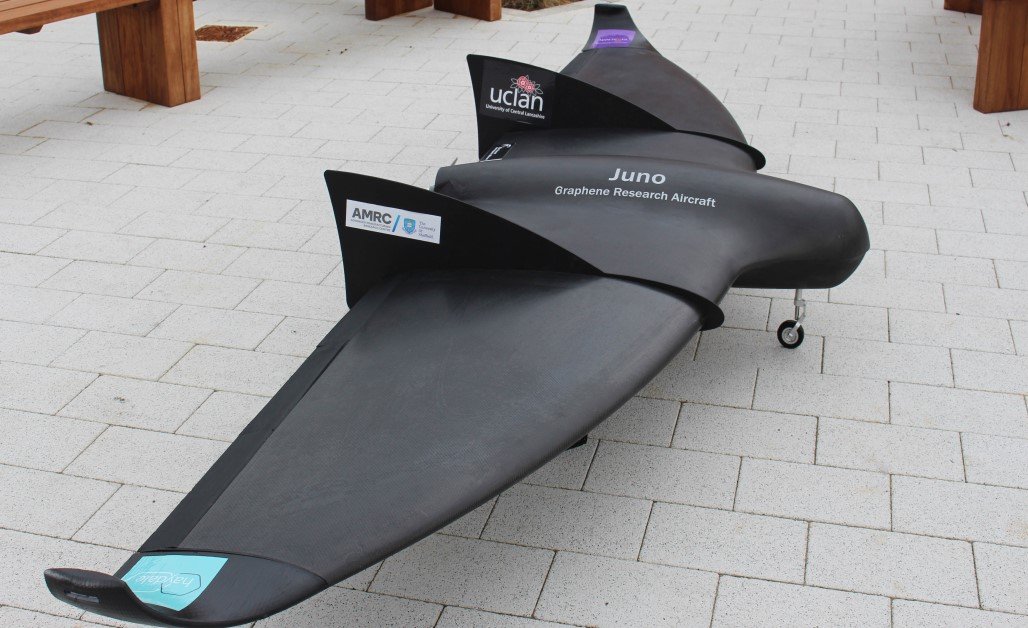
- Fixed-Wing Drones: Known for their extended range and efficiency, they are often used in surveying or agriculture. Insurance premiums for these drones may be higher due to their larger size and complex maintenance requirements.
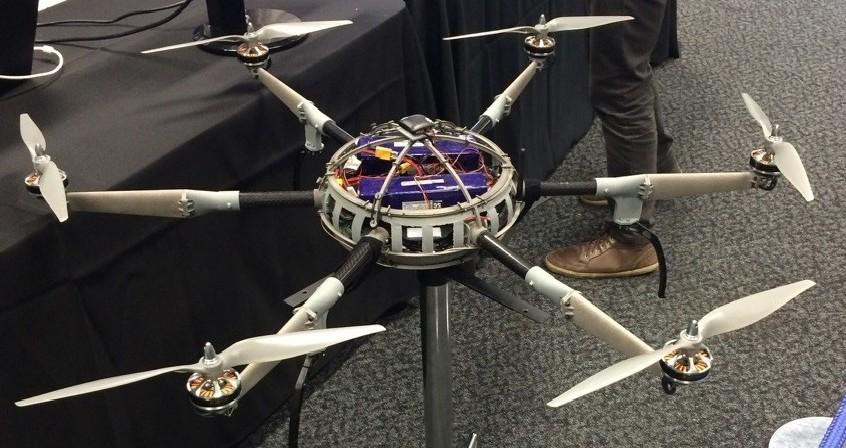
- Multirotor Drones: Commonly used for filming, photography, and inspections, these are more affordable to insure as they are versatile and typically lower-risk.
- Hybrid Drones: Combining features of fixed-wing and multirotor drones, they may have premiums that reflect their higher cost and technical capabilities.
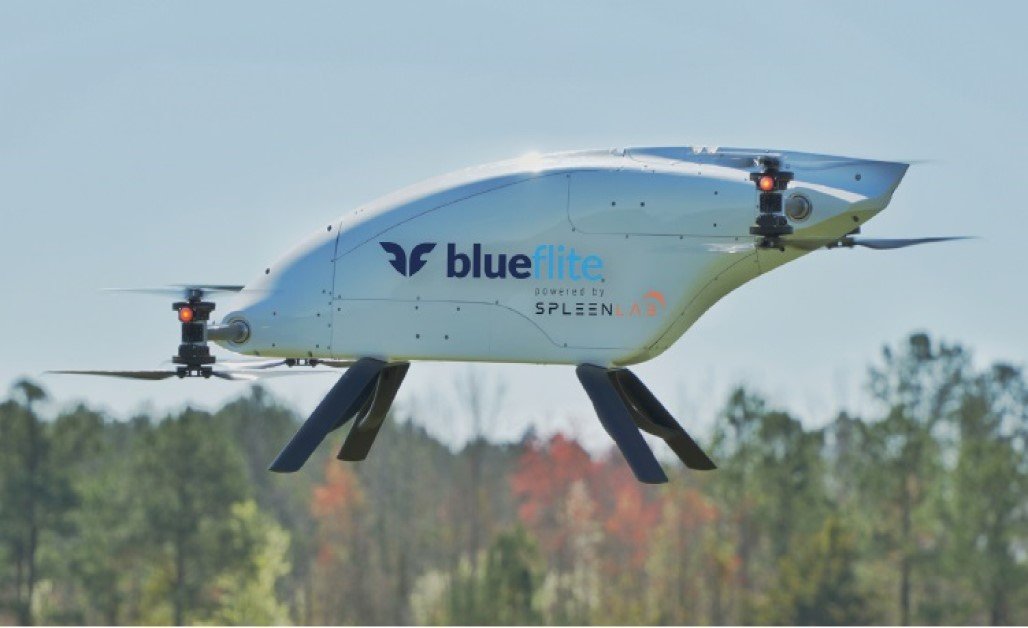
Drone Contracts
How your drone is used under specific contracts can influence your premium rates:
- Short-Term Contracts: Insurance for short-term projects or events may result in higher per-day premiums since the insurer perceives these as higher risk due to focused and intensive use.
- Long-Term Contracts: For operators with ongoing contracts, such as regular inspections or deliveries, insurers may offer discounted rates due to predictable and consistent use.
- High-Risk Operations: Drones used for hazardous applications, such as firefighting or search-and-rescue missions, will incur higher premiums because of increased risks associated with the environment and operational conditions.
Factors That Impact Drone Insurance Premiums
When it comes to determining drone insurance premiums, insurers evaluate multiple factors to assess the level of risk associated with the drone and its operation. Understanding these factors can help you make informed decisions about your coverage and potentially reduce costs.

1. Drone Type and Specifications
The design and capabilities of your drone significantly affect your insurance costs:
- Weight and Size: Larger, heavier drones often incur higher premiums due to increased potential for damage in case of an accident.
- Technology and Features: Advanced drones equipped with sensors, cameras, or thermal imaging systems may require higher coverage limits, increasing premiums.
2. Usage and Purpose
How and where you use your drone is critical:
- Commercial vs. Recreational Use: Commercial operations, such as inspections or deliveries, are considered higher risk compared to recreational flying, leading to increased premiums.
- Operational Environments: Flying in urban areas, near restricted airspaces, or in challenging conditions (e.g., high winds, low visibility) may also raise premiums due to heightened risks.
3. Pilot Experience and Certification
The skills and credentials of the pilot are closely examined:
- Experience Level: A history of safe flying with no accidents can lower premiums. Conversely, inexperienced pilots may face higher costs.
- Certifications: Holding advanced certifications, such as an FAA Remote Pilot Certificate or Canadian RPAS certification, can demonstrate professionalism and reduce perceived risk.
4. Insurance Coverage and Limits
The type and amount of coverage you select play a direct role:
- Liability Coverage: Higher liability limits increase premiums, but they provide better financial protection.
- Hull Coverage: Comprehensive policies covering the drone itself will cost more than basic liability-only insurance.
5. Claims History
A history of previous insurance claims can heavily impact your premium:
- Frequent Claims: Multiple claims indicate higher risk, leading to increased premiums or policy restrictions.
- Clean Record: Maintaining an incident-free record can qualify you for discounts or favorable terms.
6. Maintenance and Operational Standards
How you care for your drone matters:
- Regular Maintenance: Adhering to maintenance schedules and keeping your drone in optimal condition can reduce risks and premiums.
- Compliance with Regulations: Operating within legal boundaries and following safety guidelines can demonstrate responsibility, positively influencing premiums.
Mitigating Costs Using Our Drone Insurance Guide
Reducing your drone insurance premiums while maintaining adequate coverage requires a thoughtful approach. Below are key strategies explained in detail to help you manage costs effectively:

1. Choose the Right Coverage
Selecting the right insurance policy is crucial to balancing cost and protection. Begin by assessing your operational needs—are you a recreational flyer or a commercial operator? Recreational pilots might only need basic liability coverage, while commercial users often require comprehensive policies. Avoid over-insuring by selecting coverage that matches the value and usage of your drone. For instance, a recreational drone used for leisure doesn’t require the same level of coverage as a high-end drone used in hazardous environments.
2. Invest in Training and Certification
Training and certification not only enhance your skills but also demonstrate your commitment to safe and responsible flying. Many insurers offer lower premiums to pilots who hold industry-recognized credentials, such as the FAA Remote Pilot Certificate or other professional certifications. These qualifications reassure insurers that you’re less likely to engage in risky behavior, making you a more favorable candidate for lower rates.
3. Maintain a Clean Flight Record
A strong safety track record is one of the most effective ways to reduce your insurance costs. Avoiding accidents and claims demonstrates reliability to insurers, often qualifying you for discounts. Using pre-flight checklists, adhering to airspace regulations, and keeping detailed flight logs can all help you maintain a clean record. These measures show your insurer that you take operational safety seriously.
4. Leverage Safety Technology
Modern drones come equipped with advanced safety features, and leveraging these can directly impact your insurance premiums. Features like GPS tracking, obstacle avoidance, and automated return-to-home systems reduce the risk of accidents. Insurers often recognize these technologies as reducing liability, which may translate to lower premiums. If your drone doesn’t have built-in safety features, consider upgrading to include them—it could be an investment that pays off in reduced costs.
5. Bundle Policies or Compare Providers
If you operate multiple drones or need insurance for other aspects of your business, bundling policies with a single provider can save you money. Insurers often offer discounts for policy bundling, making it a cost-effective strategy. Additionally, take the time to compare quotes from different providers. Shopping around ensures you’re getting competitive rates while still receiving the coverage you need.
6. Regularly Review and Update Your Policy
Your insurance needs aren’t static—if you upgrade your drone, expand your operations, or shift your usage patterns, your policy should reflect those changes. Regularly reviewing your coverage ensures that you’re not overpaying for unnecessary coverage or leaving gaps in protection. Updating your policy to align with your current needs can lead to cost savings and better security.
7. Demonstrate Maintenance and Compliance
Maintaining your drone in optimal condition can significantly reduce risks and, consequently, your insurance costs. Insurers value operators who keep detailed maintenance logs and adhere to recommended schedules. Additionally, compliance with local regulations and airspace rules reinforces your position as a low-risk operator. Demonstrating these practices to your insurer can help you negotiate more favorable terms.
Suggested Drone Insurance Providers
Finding the right insurance provider is crucial for securing comprehensive coverage at a reasonable cost. Below are some well-regarded providers from our drone insurance guide to consider:
1. SkyWatch.AI
SkyWatch.AI offers flexible drone insurance options tailored to both recreational and commercial pilots. With a pay-as-you-fly model and monthly or annual plans, they cater to various needs. Their focus on safety includes discounts for pilots with clean flight records and access to real-time safety tools.
2. Global Aerospace
A leader in aviation insurance, Global Aerospace provides comprehensive drone coverage for a wide range of operations. Their policies include liability, hull coverage, and optional add-ons like payload insurance. They are a strong choice for businesses and commercial operators.
3. CoverDrone
CoverDrone specializes in drone insurance and offers policies for recreational, commercial, and corporate users. Their coverage extends to liability, drone damage, and even worldwide operations, making them an excellent choice for international pilots.
4. Verifly
Verifly is ideal for operators seeking short-term, on-demand insurance. With coverage available by the hour, it’s perfect for pilots who don’t fly frequently but still want robust protection when they do. Verifly offers app-based convenience for quick policy activation.
5. Thimble
Thimble provides flexible drone insurance designed for small businesses and freelancers. Policies are customizable, and you can choose from hourly, daily, or monthly coverage plans. Thimble is especially useful for pilots looking for short-term, project-based coverage.
6. AIG Aerospace
AIG Aerospace is a trusted name in aviation insurance, offering tailored drone insurance solutions for businesses and commercial pilots. They specialize in providing comprehensive coverage for larger fleets and complex operations.
7. Allianz Global Corporate & Specialty (AGCS)
Allianz AGCS offers global drone insurance coverage with a focus on commercial operations. Their policies are ideal for operators engaging in complex activities such as inspections, deliveries, or high-risk environments.
Tips for Choosing a Provider
- Compare quotes from multiple providers to find the best coverage and pricing.
- Consider the provider’s reputation, customer service, and ability to handle claims efficiently.
- Evaluate whether the provider offers specialized coverage tailored to your drone type and operational needs.
Common Drone Insurance Mistakes to Avoid
When managing drone insurance, it’s easy to overlook critical details that could result in higher premiums or inadequate coverage. Avoiding these common mistakes ensures you’re protected without unnecessary costs:

1. Skipping Policy Reviews and Renewals
Many operators neglect to review their policies during renewal periods, leading to outdated or unnecessary coverage. As your needs evolve—whether upgrading your drone, expanding operations, or shifting usage—your insurance should align with those changes. Failing to update your policy could result in overpayment or insufficient coverage for new risks.
2. Ignoring Policy Exclusions
Every insurance policy comes with exclusions—specific scenarios or damages not covered. Overlooking these details can leave you vulnerable to uncovered incidents. For instance, some policies may exclude high-risk activities like aerial photography in hazardous environments. Carefully reviewing exclusions ensures you understand the limitations of your coverage and can address gaps if necessary.
3. Underestimating Liability Coverage Needs
Choosing minimal liability coverage might save money upfront, but it can lead to significant financial exposure in the event of an accident. Many operators underestimate the costs associated with property damage or personal injury claims. Ensuring adequate liability coverage protects you from unforeseen expenses that could far exceed the initial savings.
4. Failing to Maintain a Clean Flight Record
Even minor incidents can impact your claims history and raise your premiums. Neglecting safety protocols, skipping pre-flight checks, or violating airspace regulations increases the likelihood of accidents. Maintaining a clean record by practicing safe flying habits not only protects your drone but also keeps your insurance costs down.
5. Overlooking Certifications and Training
Skipping training opportunities or failing to obtain proper certifications can label you as a higher-risk operator. This perception can lead to increased premiums or limited coverage options. Investing in certifications demonstrates responsibility and professionalism, often leading to more favorable insurance terms.
6. Neglecting to Compare Providers
Sticking with the first insurance provider you find or failing to shop around can cost you. Not all insurers offer the same rates or coverage options, and some may offer discounts for specific drone types or certifications. Comparing multiple providers ensures you get the best deal for your needs without sacrificing quality.
7. Skimping on Maintenance and Documentation
Inadequate maintenance or poor record-keeping can signal higher risk to insurers. Regular maintenance ensures your drone operates safely, reducing the likelihood of accidents. Keeping detailed logs of maintenance and repairs further reinforces your reliability as an operator, which can positively influence your premiums.
Conclusion
Navigating the complexities of drone insurance doesn’t have to be overwhelming. By understanding the factors that impact premiums and adopting strategies to mitigate costs, you can protect your drone operations without breaking the bank.
From choosing the right coverage and maintaining a clean flight record to leveraging safety technology and avoiding common mistakes, every decision you make as a drone operator influences your insurance costs. By being proactive and informed, you not only safeguard your equipment but also position yourself as a responsible and low-risk operator in the eyes of insurers.
Take the next step with our Drone Insurance Cost Calculator to estimate your premiums and apply the strategies outlined in this drone insurance guide to ensure comprehensive coverage that fits your needs.