Thermal
Thermal Drone Inspections: What They Detect


Thermal drone inspections are transforming the way professionals detect heat-related issues across industries. From uncovering hidden electrical faults to identifying moisture behind walls, these inspections offer a non-invasive, highly efficient way to see what the human eye can’t. Whether you’re working in construction, utilities, or public safety, understanding what thermal drones detect—and why it matters—can unlock safer operations, faster decisions, and long-term savings.
What Are Thermal Drone Inspections?
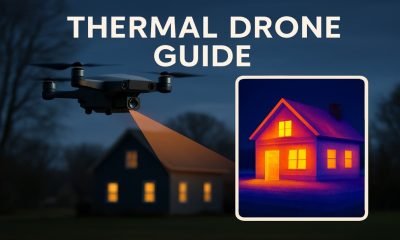
Thermal drone inspections involve the use of drones equipped with infrared (IR) cameras to detect variations in surface temperatures. These cameras visualize heat instead of visible light, allowing users to identify anomalies that would otherwise go unnoticed. Unlike traditional inspections, thermal drones provide a high-resolution thermal map from above, enabling rapid assessments of large or hard-to-reach areas without scaffolding, ladders, or physical contact.

The resulting thermal data, often presented as heat maps or temperature gradients, helps professionals pinpoint problems like overheating components, heat loss, and water damage. Drones can also capture visual images simultaneously, allowing for side-by-side comparisons between thermal and visible footage for more accurate diagnostics.
Thermal drone inspections are increasingly used in preventive maintenance, compliance checks, emergency response, and environmental monitoring, where early detection of irregularities can prevent costly downtime or serious safety hazards.
What Thermal Drones Can Detect
Thermal drones are powerful diagnostic tools capable of revealing temperature anomalies across a wide range of surfaces and environments. Here are some of the most common issues they can detect:
Heat Loss & Insulation Defects
In buildings, thermal drones can detect areas where heat is escaping due to poor insulation or structural gaps. These inspections are crucial for energy audits, helping property owners reduce utility costs and improve efficiency.

Electrical Hotspots
Overloaded circuits, failing connections, and overheating components in electrical systems emit excess heat before they fail. Thermal drones can scan substations, power lines, and industrial panels to identify these hotspots early and prevent outages or fires.

Water Intrusion & Moisture
Water trapped behind walls, ceilings, or roofing materials typically shows up as cooler spots due to evaporative cooling. Thermal drones help identify these hidden leaks and moisture problems before they cause structural damage or mold growth.
Equipment Overheating
Industrial equipment such as motors, pumps, and HVAC units can overheat when malfunctioning. A thermal inspection reveals abnormal temperatures that may indicate the need for repair or servicing.

Human & Animal Heat Signatures
Thermal drones are also used in public safety and wildlife monitoring to detect heat signatures in low-visibility conditions. This includes locating missing persons, monitoring wildlife populations, or identifying unauthorized human activity in secure zones.

Why Thermal Drone Inspections Matter
Thermal drone inspections go beyond surface-level visuals. By identifying unseen thermal patterns, they deliver significant advantages in safety, speed, and long-term value. Here’s why they matter:
Enhanced Safety
Thermal drones eliminate the need for manual inspections in hazardous or hard-to-reach areas. Whether flying over rooftops, powerlines, or active industrial sites, they keep human inspectors out of harm’s way while still capturing critical data.
Faster Detection & Diagnosis
What once took hours or even days with manual tools can now be completed in minutes. Thermal drones provide real-time imaging, allowing teams to quickly diagnose problems, flag irregularities, and move to corrective action without delay.

Cost-Effective Preventive Maintenance
Regular thermal inspections help identify small issues before they evolve into major failures. Early detection of thermal anomalies reduces emergency repair costs, extends the lifespan of assets, and minimizes unplanned downtime.
Access to Hard-to-Reach Areas
With aerial flexibility, thermal drones can scan locations that are difficult or dangerous to access—like tall rooftops, bridges, solar farms, or remote pipelines—without the need for ladders, scaffolding, or rope access crews.
Key Industries That Rely on Thermal Inspections
Thermal drone technology has found wide adoption across various industries, each benefiting from the ability to detect temperature anomalies from the air. Below are some of the most active sectors using thermal inspections today:
Solar Energy
Thermal drones help solar farm operators detect malfunctioning or underperforming panels by highlighting heat irregularities. Identifying defective cells early improves energy output and reduces operational losses.
Construction & Building Maintenance
Contractors and facility managers use thermal imaging to detect insulation gaps, water leaks, and HVAC inefficiencies. These inspections are essential during energy audits, pre-purchase evaluations, and building envelope diagnostics.
Oil & Gas
In this high-risk industry, thermal drones are used to monitor pipelines, flare stacks, tanks, and processing equipment. They help detect leaks, pressure issues, and overheating components—boosting safety and environmental compliance.
Agriculture & Forestry
Farmers and land managers use thermal drones to assess plant health, irrigation coverage, and heat stress. In forestry, they assist in wildfire detection, monitoring animal movement, and assessing ecosystem health.

Emergency Services & Search and Rescue
Thermal drones are vital tools for firefighters and SAR teams. They help locate people in smoke-filled or dark environments, detect hotspots during fire suppression, and track movement in rugged terrain.
Real-World Case Example
Thermal Inspection Prevents Solar Farm Shutdown in Ontario, Canada
A renewable energy provider operating a 50-acre solar installation in southern Ontario scheduled a routine thermal drone inspection to assess panel performance. Within an hour, the drone identified several hotspots across four arrays—indicating failing bypass diodes and overheating connectors. The anomalies were invisible to the naked eye but clear on the thermal map.
Based on the data, technicians isolated the problem zones, replaced defective parts, and restored optimal performance. The intervention prevented a potential chain failure that could have taken an entire string offline. The inspection saved thousands in lost energy revenue and significantly reduced the risk of an electrical fire.
This case underscores the power of thermal drones to detect critical issues early, especially in large-scale operations where manual inspections would be inefficient or infeasible.
Choosing the Right Thermal Drone for the Job
Selecting the right thermal drone depends on the scope of your inspection needs, the environment you’ll be operating in, and your data requirements. Below are key factors to consider:
Thermal Camera Resolution
Higher resolution sensors (e.g., 640×512) provide clearer, more detailed thermal imagery, which is critical for detecting small anomalies or conducting professional-grade inspections. Lower-resolution sensors may suffice for basic tasks or smaller areas.
Flight Time & Range
Look for drones with extended battery life if you’re surveying large properties, solar farms, or pipelines. Models with swappable batteries or endurance options reduce downtime and improve productivity.
Radiometric Capabilities
Radiometric thermal cameras record exact temperature values per pixel, enabling precise measurements and detailed reporting. This feature is essential for industries that require quantified thermal analysis.
Stabilization & Image Overlay
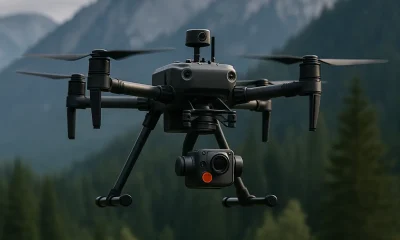
Drones with 3-axis gimbals and dual sensors (thermal + visual) allow for smooth flight and simultaneous side-by-side imaging. This helps correlate thermal hotspots with visible structural features for easier diagnosis.
Software Compatibility
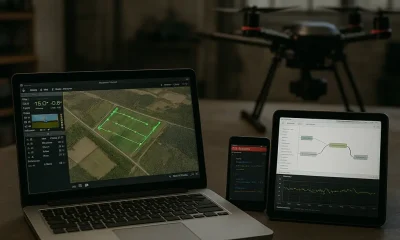
Make sure the drone is compatible with thermal mapping or analytics platforms that fit your workflow. Integration with platforms like FLIR Tools, Pix4D, or proprietary software can streamline reporting and improve data usability.

Environmental Resistance
For fieldwork in rugged or unpredictable environments, choose a drone with weather-resistant design, wind stability, and the ability to operate in varied lighting conditions, such as dusk or overcast skies.
Final Thoughts
Thermal drone inspections are reshaping the way industries identify and respond to hidden issues. By revealing heat signatures that signal problems before they escalate, these tools bring greater safety, efficiency, and precision to the field. Whether you’re overseeing solar assets, managing infrastructure, or responding to emergencies, the ability to quickly visualize temperature anomalies from the air offers a major operational advantage.
As thermal imaging technology becomes more accessible and powerful, organizations that adopt drone-based inspections position themselves ahead—reducing risk, saving costs, and making smarter decisions with data that goes beneath the surface.
Frequently Asked Questions About Thermal Drone Inspections
How accurate are thermal drones?
Thermal drones equipped with radiometric sensors can detect temperature differences as small as 0.05°C. While not as precise as contact thermometers, they provide accurate relative temperature data for detecting anomalies across large areas.
Can thermal drones see through walls or roofs?
No. Thermal drones cannot see through solid surfaces. They detect surface temperatures and highlight anomalies caused by heat transfer, such as heat loss, moisture accumulation, or internal overheating that affects the outer material.
Are thermal drone inspections safe to conduct around people or live equipment?
Yes. Thermal inspections are non-contact and pose no health risks. In fact, they improve safety by allowing inspections to be conducted remotely, away from dangerous equipment or unstable structures.
Do I need a special license to fly a thermal drone?
In most countries, yes. Thermal drones fall under the same regulatory rules as other commercial UAVs. Operators typically require a drone pilot certificate or license, and flights may be restricted near sensitive areas or critical infrastructure.
What industries benefit the most from thermal drone inspections?
Industries like solar energy, electrical utilities, construction, agriculture, oil and gas, and public safety all benefit from using thermal drones for maintenance, diagnostics, and surveillance.