Top-Rated Drones
10 Best Crop Analysis Drones (2026)


Crop Analysis: Top 10 Best Thermal Drones
Thermal imaging drones have become an essential tool for crop analysis, allowing farmers to detect plant stress, assess soil moisture levels, identify pest infestations, and monitor irrigation efficiency. By using high-resolution thermal sensors, these drones provide detailed heat maps, enabling data-driven decisions that boost crop yields and reduce resource waste.
As agriculture continues to embrace data-driven decision-making, thermal drones are playing a crucial role in improving farm productivity and sustainability. In this article, we explore the top 10 thermal drones for crop analysis, highlighting their key features, applications, and benefits for farmers in 2025.
Top 10 Best Thermal Drones for Crop Analysis
- DJI Mavic 3T – Best Overall Thermal Drone
- DJI Matrice 30T – Best for Large-Scale Crop Monitoring
- Parrot Anafi USA – Best Lightweight Thermal Drone
- Autel EVO II Dual 640T – Best for High-Resolution Crop Health Monitoring
- Parrot Anafi Thermal – Best Budget-Friendly Thermal Drone
- Yuneec H520E Thermal – Best for Enterprise-Grade Crop Analytics
- Teledyne FLIR SIRAS – Best for Advanced Thermal Imaging and AI Analytics
- Quantum Systems Trinity F90+ Thermal – Best Fixed-Wing Drone for Large-Scale Crop Analysis
- WingtraOne Gen II – Best for High-Resolution Thermal Mapping
- AgEagle eBee X Thermal – Best for Agricultural Research and Environmental Monitoring
1. DJI Mavic 3T – Best Overall Thermal Drone for Crop Analysis

Key Features & Innovations
The DJI Mavic 3T is a compact yet powerful drone with a high-resolution 640×512 thermal sensor, 56x hybrid zoom, and RTK positioning for accurate mapping. Its multispectral camera enables precise crop health monitoring and early detection of stress areas.
Performance & Real-World Applications
Ideal for precision agriculture, the Mavic 3T allows farmers to detect irrigation inefficiencies, locate pest infestations, and analyze soil temperature variations.
Why It Made the List
With thermal imaging, RTK precision, and extended battery life, the Mavic 3T is the best choice for farmers needing advanced crop analytics.
Specifications Table
| Feature | Specification |
|---|---|
| Thermal Camera | 640×512 resolution |
| Zoom | 56x hybrid zoom |
| Flight Time | 45 minutes |
| Max Range | 15 km |
| Battery | 5000 mAh |
| Wind Resistance | 12 m/s |
| Weight | 920 g |
Pros and Cons
- High-resolution thermal and RGB camera
- Extended flight time
- RTK-enabled precision mapping
- Expensive for small farms
- Requires additional software for data analysis
Price & Availability
💰 Price Range: $5,000 – $6,500
🔗 Buy Here: DJI Mavic 3T – Official Store
2. DJI Matrice 30T – Best for Large-Scale Crop Monitoring

Key Features & Innovations
The DJI Matrice 30T is a rugged commercial-grade drone featuring a 640×512 thermal sensor, 200x hybrid zoom, and IP55 weather resistance for all-terrain agricultural scouting.
Performance & Real-World Applications
Designed for large farms and agronomists, the Matrice 30T excels in detailed crop health mapping, early disease detection, and irrigation planning.
Why It Made the List
With advanced thermal imaging, long-range transmission, and AI-powered analytics, the Matrice 30T is perfect for farmers managing large acreage.
Specifications Table
| Feature | Specification |
|---|---|
| Thermal Camera | 640×512 resolution |
| Zoom | 200x hybrid zoom |
| Flight Time | 41 minutes |
| Max Range | 15 km |
| Battery | 5880 mAh |
| Wind Resistance | 15 m/s |
| Weight | 3.77 kg |
Pros and Cons
- High-end thermal sensor
- Advanced AI-powered analytics
- All-weather performance
- High price tag
- Bulkier than compact drones
Price & Availability
💰 Price Range: $9,000 – $11,000
🔗 Buy Here: DJI Matrice 30T – Official Store
3. Parrot Anafi USA – Best Lightweight Thermal Drone for Agriculture

Key Features & Innovations
The Parrot Anafi USA is a compact, lightweight drone featuring a FLIR Boson 640×512 thermal sensor, 32x zoom, and RTK compatibility.
Performance & Real-World Applications
Perfect for small farms, the Anafi USA provides crop stress detection, pest monitoring, and irrigation analysis while being easy to transport and deploy.
Why It Made the List
With a combination of affordability, portability, and powerful imaging, the Anafi USA is a great choice for farmers on a budget.
Specifications Table
| Feature | Specification |
|---|---|
| Thermal Camera | FLIR Boson 640×512 |
| Zoom | 32x hybrid zoom |
| Flight Time | 32 minutes |
| Max Range | 8 km |
| Battery | 3400 mAh |
| Wind Resistance | 10 m/s |
| Weight | 500 g |
Pros and Cons
- Lightweight and portable
- High-resolution thermal sensor
- Budget-friendly compared to competitors
- Limited range compared to industrial drones
- Not ideal for large-scale farms
Price & Availability
💰 Price Range: $7,000 – $8,000
🔗 Buy Here: Parrot Anafi USA – Official Store
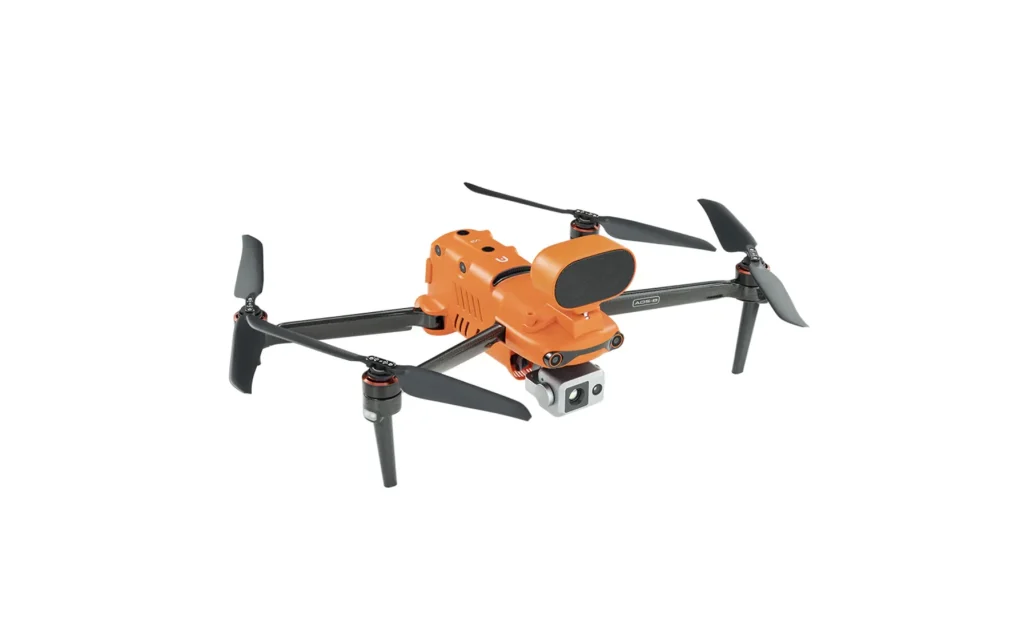
4. Autel EVO II Dual 640T – Best for High-Resolution Crop Health Monitoring
Key Features & Innovations
The Autel EVO II Dual 640T is a compact yet powerful thermal drone, featuring a 640×512 FLIR thermal sensor combined with an 8K RGB camera. With advanced AI-enhanced thermal analytics, it provides precise crop health insights, helping farmers detect plant stress, soil moisture levels, and irrigation inefficiencies.
Performance & Real-World Applications
Ideal for mid-sized farms, the EVO II Dual 640T enables high-resolution thermal imaging at a fraction of the cost of industrial-grade drones. It’s widely used for early disease detection, pest monitoring, and yield prediction.
Why It Made the List
With 8K visual imagery, long flight time, and AI-enhanced crop analysis, the EVO II Dual 640T is a top contender for precision farming applications.
Specifications Table
| Feature | Specification |
|---|---|
| Thermal Camera | FLIR 640×512 resolution |
| RGB Camera | 8K HDR |
| Zoom | 4x thermal zoom |
| Flight Time | 40 minutes |
| Max Range | 9 km |
| Battery | 7100 mAh |
| Wind Resistance | 12 m/s |
| Weight | 1.2 kg |
Pros and Cons
- 8K visual and thermal imaging
- AI-enhanced crop analytics
- Long flight time
- Limited zoom compared to industrial drones
- More expensive than some entry-level models
Price & Availability
💰 Price Range: $6,500 – $8,000
🔗 Buy Here: Autel EVO II Dual 640T – Official Store
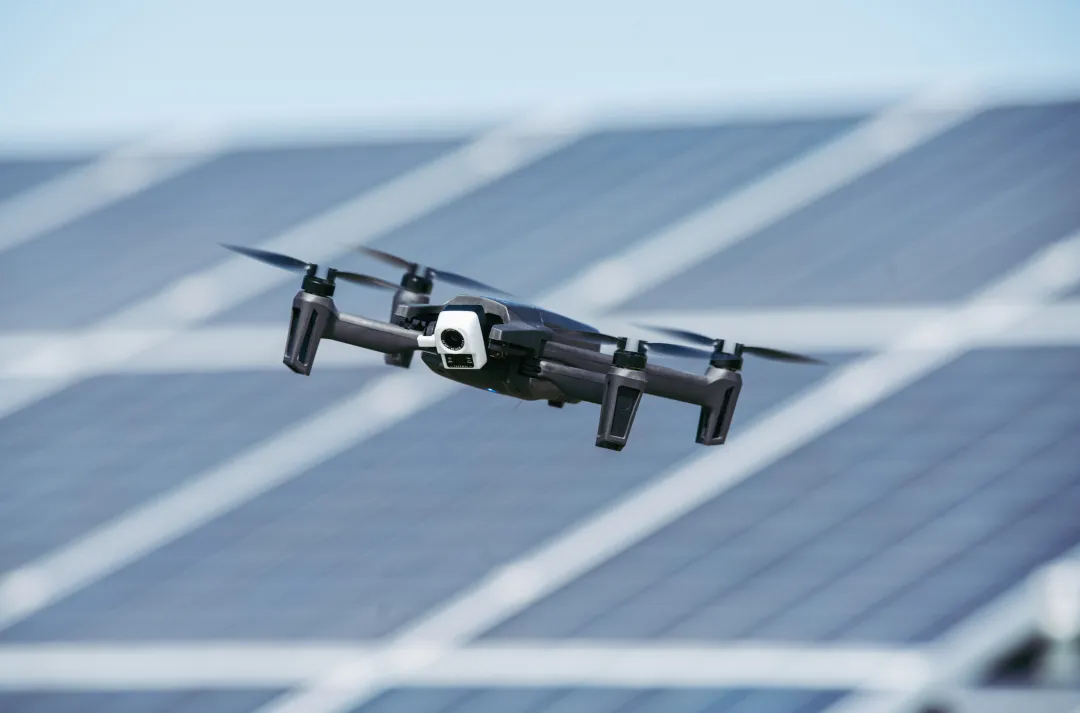
5. Parrot Anafi Thermal – Best Budget-Friendly Thermal Drone for Crop Analysis
Key Features & Innovations
The Parrot Anafi Thermal is a lightweight, affordable thermal drone featuring a FLIR Lepton 160×120 thermal sensor and 4K HDR RGB camera. It’s an entry-level solution for farmers looking to leverage thermal imaging for crop health monitoring without breaking the bank.
Performance & Real-World Applications
Ideal for small farms and vineyards, the Anafi Thermal assists in detecting irrigation inefficiencies, identifying plant stress, and optimizing pesticide application.
Why It Made the List
With its low cost, compact size, and easy-to-use interface, the Anafi Thermal is one of the most affordable thermal drones for agriculture.
Specifications Table
| Feature | Specification |
|---|---|
| Thermal Camera | FLIR Lepton 160×120 resolution |
| RGB Camera | 4K HDR |
| Zoom | 3x digital zoom |
| Flight Time | 26 minutes |
| Max Range | 4 km |
| Battery | 2700 mAh |
| Wind Resistance | 8 m/s |
| Weight | 320 g |
Pros and Cons
- Most affordable thermal drone
- Compact and portable
- Good for small farm applications
- Lower resolution thermal sensor
- Shorter flight time compared to high-end models
Price & Availability
💰 Price Range: $1,900 – $2,500
🔗 Buy Here: Parrot Anafi Thermal – Official Store
6. Yuneec H520E Thermal – Best for Enterprise-Grade Crop Analytics

Key Features & Innovations
The Yuneec H520E Thermal is a hexacopter drone equipped with dual thermal and RGB cameras for comprehensive crop monitoring. Its high-resolution 640×512 thermal sensor ensures precise agricultural analysis, while six-rotor stability provides a smooth flight experience even in harsh conditions.
Performance & Real-World Applications
This drone is designed for professional agronomists and large farms that require high-precision, real-time thermal mapping for disease detection, soil moisture analysis, and fertilizer optimization.
Why It Made the List
With enterprise-level imaging, enhanced flight stability, and superior data processing, the H520E Thermal is a powerful solution for serious agricultural professionals.
Specifications Table
| Feature | Specification |
|---|---|
| Thermal Camera | 640×512 resolution |
| RGB Camera | 4K Ultra HD |
| Zoom | 30x digital zoom |
| Flight Time | 28 minutes |
| Max Range | 5 km |
| Battery | 5250 mAh |
| Wind Resistance | 12 m/s |
| Weight | 1.8 kg |
Pros and Cons
- Dual thermal and RGB cameras
- Hexacopter design for stable flight
- Enterprise-grade imaging
- Bulkier than quadcopters
- Higher price point
Price & Availability
💰 Price Range: $6,000 – $7,500
🔗 Buy Here: Yuneec H520E Thermal – Official Store
7. Teledyne FLIR SIRAS – Best for Advanced Thermal Imaging and AI Analytics

Key Features & Innovations
The Teledyne FLIR SIRAS is a high-performance thermal drone featuring a high-resolution 640×512 FLIR Boson thermal sensor with adjustable temperature range settings. It is designed for precision agricultural imaging, helping farmers detect crop stress, irrigation inefficiencies, and pest infestations with exceptional detail.
Performance & Real-World Applications
This drone is particularly useful for high-accuracy thermal mapping, soil moisture analysis, and yield prediction. The FLIR Thermal Studio software integration enhances data interpretation, allowing for detailed crop health assessments.
Why It Made the List
With its advanced FLIR sensor and AI-powered image analytics, the SIRAS is an excellent choice for professional agronomists and large-scale farming operations.
Specifications Table
| Feature | Specification |
|---|---|
| Thermal Camera | FLIR Boson 640×512 resolution |
| RGB Camera | 16MP |
| Zoom | 5x digital zoom |
| Flight Time | 31 minutes |
| Max Range | 8 km |
| Battery | 5800 mAh |
| Wind Resistance | 14 m/s |
| Weight | 1.35 kg |
Pros and Cons
- AI-enhanced FLIR thermal imaging
- Advanced analytics with FLIR Thermal Studio
- High wind resistance and long flight time
- Not as compact as consumer-grade models
- Requires external software for full data processing
Price & Availability
💰 Price Range: $7,500 – $9,000
🔗 Buy Here: Teledyne FLIR SIRAS – Official Store
8. Quantum Systems Trinity F90+ Thermal – Best Fixed-Wing Drone for Large-Scale Crop Analysis

Key Features & Innovations
The Quantum Systems Trinity F90+ Thermal is a fixed-wing agricultural drone equipped with a high-resolution thermal imaging sensor and RTK capability for precise mapping. With its 3-hour flight endurance, this drone can cover thousands of acres in a single flight.
Performance & Real-World Applications
This drone is ideal for large-scale crop health monitoring, irrigation optimization, and precision spraying planning. It’s widely used in agriculture research and commercial farming due to its high efficiency and automated flight path planning.
Why It Made the List
With its long flight time, extensive coverage area, and powerful thermal imaging, the Trinity F90+ is the best option for large-scale farm monitoring.
Specifications Table
| Feature | Specification |
|---|---|
| Thermal Camera | 640×512 resolution |
| RGB Camera | 24MP |
| Zoom | Fixed zoom |
| Flight Time | 180 minutes |
| Max Range | 15 km |
| Battery | 12,000 mAh |
| Wind Resistance | 15 m/s |
| Weight | 4.5 kg |
Pros and Cons
- Longest flight time (3 hours) for maximum coverage
- Fixed-wing design increases efficiency
- Ideal for large-scale farms and research institutions
- Requires a larger takeoff and landing space
- More expensive than quadcopters
Price & Availability
💰 Price Range: $18,000 – $22,000
🔗 Buy Here: Quantum Systems Trinity F90+ – Official Store
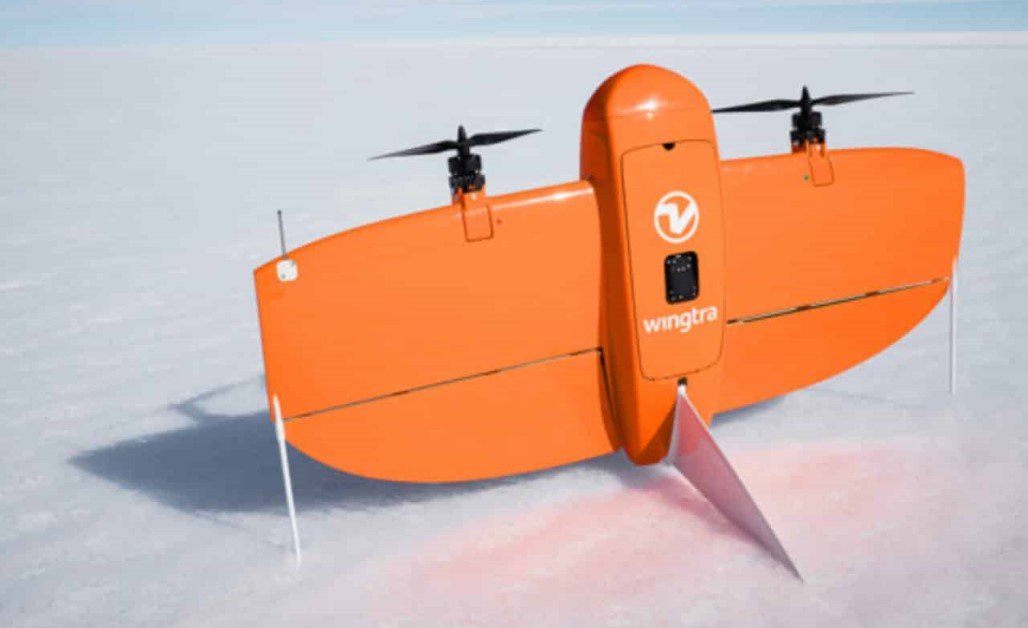
9. WingtraOne Gen II – Best for High-Resolution Thermal Mapping
Key Features & Innovations
The WingtraOne Gen II is a VTOL (Vertical Take-Off and Landing) fixed-wing drone featuring an ultra-high-resolution RGB and thermal camera combination. It’s optimized for precision thermal mapping of large agricultural fields.
Performance & Real-World Applications
Designed for detailed crop health analysis, disease detection, and irrigation efficiency studies, the WingtraOne provides aerial imaging at unmatched precision.
Why It Made the List
With VTOL capabilities, high-resolution thermal sensors, and long endurance, the WingtraOne is a game-changer for agricultural researchers and farm managers.
Specifications Table
| Feature | Specification |
|---|---|
| Thermal Camera | FLIR 640×512 resolution |
| RGB Camera | 42MP Sony RX1R II |
| Zoom | Fixed zoom |
| Flight Time | 90 minutes |
| Max Range | 10 km |
| Battery | 9,000 mAh |
| Wind Resistance | 14 m/s |
| Weight | 3.7 kg |
Pros and Cons
- VTOL capability for easy deployment
- Ultra-high-resolution RGB and thermal imaging
- Great for large farm research and analysis
- Expensive
- Requires training for operation
Price & Availability
💰 Price Range: $14,000 – $18,000
🔗 Buy Here: WingtraOne Gen II – Official Store
10. AgEagle eBee X Thermal – Best for Agricultural Research and Environmental Monitoring

Key Features & Innovations
The AgEagle eBee X Thermal is a fixed-wing drone equipped with a high-end multispectral and thermal camera system, making it a top-tier choice for agricultural research and environmental analysis.
Performance & Real-World Applications
This drone is widely used for precision agriculture studies, climate impact analysis, and large-area crop health assessments.
Why It Made the List
With its extended flight time, ultra-precise imaging, and industry-leading software integration, the eBee X Thermal is a favorite among agricultural professionals and research institutions.
Specifications Table
| Feature | Specification |
|---|---|
| Thermal Camera | 640×512 resolution |
| RGB Camera | 24MP |
| Zoom | Fixed zoom |
| Flight Time | 90 minutes |
| Max Range | 12 km |
| Battery | 10,000 mAh |
| Wind Resistance | 12 m/s |
| Weight | 2.5 kg |
Pros and Cons
- Best for agricultural research and environmental monitoring
- Fixed-wing design for maximum efficiency
- Industry-leading multispectral imaging
- High learning curve
- Expensive
Price & Availability
💰 Price Range: $16,000 – $20,000
🔗 Buy Here: AgEagle eBee X Thermal – Official Store
Benefits of Crop Analysis Using Thermal Drones
Precision agriculture is transforming farming practices, and thermal drones play a critical role in crop analysis by providing detailed insights that improve productivity and sustainability. Here are the key benefits of using thermal drones for crop analysis:
Early Detection of Crop Stress
Thermal imaging helps identify temperature variations in plants, often before visual symptoms appear. This allows farmers to detect heat stress, water deficiency, or disease early, leading to faster intervention and reduced crop losses.
Improved Irrigation Management
Thermal drones help monitor soil moisture levels by detecting temperature differences in dry and overwatered areas. This enables precision irrigation, ensuring crops receive optimal water levels, which reduces waste and improves yields.
Pest and Disease Monitoring
Infested or diseased plants often exhibit temperature anomalies compared to healthy ones. With real-time aerial thermal imaging, farmers can quickly locate and treat affected areas, preventing further damage and reducing pesticide use.
Enhanced Soil Health Analysis
Soil compaction, erosion, and nutrient deficiencies affect crop growth. Thermal drones identify variations in soil temperature, providing data that helps optimize fertilization and land management.
Increased Efficiency and Cost Savings
By pinpointing problem areas, thermal drones reduce the need for manual inspections, saving time and labor costs. They also minimize wasteful use of water, pesticides, and fertilizers, improving the farm’s overall efficiency and profitability.
Precision Mapping and Yield Optimization
Thermal drones generate high-resolution crop health maps, helping farmers adjust planting density, irrigation schedules, and nutrient distribution to maximize yields.
Sustainable Farming Practices
With data-driven decision-making, farmers can optimize resources, reduce chemical runoff, and minimize environmental impact, making agriculture more sustainable for the future.
Frequently Asked Questions (FAQs) About Crop Analysis Using Thermal Drones
1. What is crop analysis, and why is it important?
Crop analysis involves monitoring plant health, soil conditions, and environmental factors to optimize agricultural productivity. It helps detect issues such as water stress, pest infestations, and nutrient deficiencies, allowing farmers to make data-driven decisions that improve yields and reduce waste.
2. How do thermal drones help with crop analysis?
Thermal drones use infrared sensors to capture heat signatures from crops and soil. These images reveal temperature variations, helping farmers identify areas of drought, disease, or poor irrigation that are not visible to the naked eye.
3. What are the benefits of using thermal drones over traditional crop analysis methods?
Compared to manual inspections or satellite imaging, thermal drones offer:
- Real-time, high-resolution data
- Faster detection of crop stress and irrigation issues
- Cost savings on labor, water, and fertilizers
- Ability to survey large areas efficiently
4. Can thermal drones detect plant diseases?
Yes. Thermal imaging can detect temperature differences in plants, which often indicate early signs of disease. Infected crops may have different heat patterns due to changes in transpiration rates, making them easier to identify and treat early.
5. How do thermal drones help with water management?
Thermal cameras detect moisture variations in soil, identifying overwatered or dry areas. Farmers can use this data to adjust irrigation schedules and prevent water waste, ensuring crops receive optimal hydration.
6. Are thermal drones difficult to operate?
Most modern thermal drones come with user-friendly software, automated flight paths, and AI-powered analytics, making them accessible even to beginners. However, professional farmers and agronomists may benefit from training on data interpretation and precision mapping.
7. What factors should I consider when choosing a thermal drone for crop analysis?
Key factors include:
- Thermal sensor resolution (higher resolution = clearer heat maps)
- Flight time and battery life
- Camera zoom and multispectral capabilities
- Software compatibility for data analysis
- Budget and farm size requirements
8. Can thermal drones be used in all weather conditions?
Thermal drones perform best in clear weather but can operate in various conditions. However, heavy rain, fog, or strong winds can affect flight stability and image quality. Some high-end drones offer IP-rated weather resistance for improved performance.
9. How much do thermal drones for crop analysis cost?
Thermal drones range from $1,900 for entry-level models to $20,000+ for industrial-grade solutions. The price depends on sensor quality, flight endurance, software capabilities, and advanced features like AI-driven analytics.
10. Is it legal to use drones for agricultural crop analysis?
Yes, but regulations vary by country. Many regions require:
- Drone registration with aviation authorities
- A remote pilot certificate for commercial use
- Compliance with airspace restrictions
It’s essential to check local drone laws before operating.
Conclusion
Thermal drones have become an essential tool in modern agriculture, offering farmers detailed insights into crop health, irrigation efficiency, and pest control. By utilizing advanced thermal imaging technology, these drones help optimize resource use, reduce waste, and improve overall farm productivity.
For those managing large-scale farms, fixed-wing models like the Quantum Trinity F90+ and AgEagle eBee X Thermal offer extended flight times and vast coverage. Mid-sized operations will benefit from the DJI Mavic 3T or Autel EVO II Dual 640T, which provide high-resolution imaging and user-friendly controls. Farmers looking for an affordable entry into thermal drone technology can consider the Parrot Anafi Thermal, which balances cost and functionality.
Selecting the right thermal drone depends on farm size, budget, and data needs. As drone technology continues to evolve, these tools will play an increasingly vital role in precision agriculture, helping farmers make data-driven decisions for better yields and sustainability.