Agriculture
Drone-assisted Data Analysis for Increased Crop Yield


The intersection of technology and agriculture is creating exciting new opportunities for farmers worldwide. Unmanned aerial vehicles (UAVs), commonly known as drones, are at the forefront of this transformation. They are revolutionizing farming practices and offering a promising solution for increased crop yield through drone-assisted data analysis. This article explores how drone-assisted Data Analysis is used to enhance crop yield, contributing to the broader concept of precision agriculture.
Unpacking Drone Data Collection
Drones equipped with advanced sensors and cameras fly over crop fields, collecting a wide array of data. They capture high-resolution images and videos, offering a detailed visual representation of the field from above. Additionally, drones can carry specialized sensors like multispectral sensors and thermal cameras, which provide more granular data on plant health, soil condition, and field topology.
Transforming Data into Insights
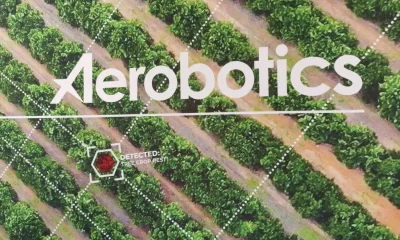
This extensive data, however, is not helpful unless it can be transformed into actionable insights. Advanced software systems analyze the data, often using machine learning algorithms, to detect patterns and correlations. They can assess variables such as plant health, soil moisture levels, temperature, nutrient deficiencies, pest infestations, and more.
Farmers can then utilize these insights to make data-driven decisions about their farming practices, optimizing resource usage, and improving crop yield. For example, if the data analysis shows a specific area of the field is lacking in nutrients, the farmer can adjust the fertilizer application accordingly.
The Role of Drone Data in Precision Agriculture
Drone data analysis is a cornerstone of precision agriculture, a farming management concept that promotes using the right amount of resources at the right place and the right time. Precision agriculture is all about maximizing efficiency, sustainability, and profitability.
By providing precise data on crop health and field conditions, drones enable farmers to practice precision agriculture effectively. They allow for targeted actions, such as applying fertilizers or pesticides only where needed, or irrigating specific sections of the field based on soil moisture data. These targeted actions lead to resource conservation, cost savings, and ultimately, increased crop yield.
Case Study: Real-world Impact of Drone Data Analysis
The impact of drone-assisted data analysis on crop yield is not merely theoretical. Many farmers worldwide have reported significant improvements in crop yield after incorporating drone technology into their practices.
For instance, a farmer in Kansas, USA, used drones to monitor his wheat fields. The drone data analysis revealed varying levels of plant health across the field, allowing the farmer to adjust his fertilizer application. As a result, the farmer reported a 15% increase in his wheat yield, showcasing the potential of drone-assisted data analysis.
Future Outlook: Drones and Sustainable Agriculture
Looking ahead, the role of drones in agriculture is expected to grow. As drone technology continues to advance, they will offer even more detailed data and more accurate analysis. Integration with other technologies, such as AI and the Internet of Things (IoT), will further enhance the data analysis capabilities of drones.
However, the future growth of drone usage in agriculture will hinge on factors like regulation, data privacy, and technology accessibility. Addressing these challenges is crucial to ensure that drone technology can deliver on its promise of increased crop yield and sustainable agriculture.
Conclusion
In conclusion, drone-assisted data analysis is a powerful tool for increasing crop yield. By providing precise, real-time data on crop and field conditions, drones empower farmers to optimize their practices, conserve resources, and boost their profitability. While challenges exist, the potential benefits of drone technology in agriculture are immense, signaling a bright future for this burgeoning field of agri-tech. As the world grapples with the dual challenges of feeding a growing population and combating climate change, drones offer a way forward towards sustainable, efficient, and high-yielding agriculture.