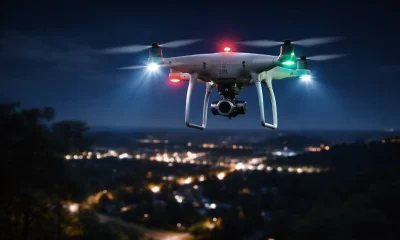
Drone Warfare
Drone Warfare: Redefining the Modern Battlefield


The modern battlefield has shifted dramatically with the rise of drones. Once viewed as experimental assets, unmanned aerial vehicles (UAVs) are now frontline tools used for intelligence gathering, precision strikes, logistics, and even electronic drone warfare. From the deserts of the Middle East to the fields of Ukraine, drones have redefined how nations approach conflict. Their ability to protect soldiers, enhance precision, and adapt to complex environments makes them invaluable. Yet, their growing presence also sparks debate over ethics, legality, and the future of global security.
The Rise of Drone Warfare

Drones have evolved from niche reconnaissance platforms into multi-role systems central to military operations. The U.S. military’s use of the MQ-1 Predator in Afghanistan and Iraq during the early 2000s marked a turning point. Initially designed for surveillance, the Predator was later armed with Hellfire missiles, proving UAVs could carry out precision strikes.
More recently, the Russia–Ukraine conflict has highlighted the impact of consumer-grade and military-grade drones alike. Quadcopters adapted for dropping grenades, Turkish-made Bayraktar TB2 drones conducting strikes, and small commercial drones providing real-time intelligence have all reshaped the tempo of battle. This shift demonstrates how drones, regardless of size or origin, have become integral to both state and non-state actors.
Precision and Effectiveness that Drone Warfare Provides
One of the most celebrated advantages of drones is their ability to strike with precision. Unlike traditional artillery or manned aircraft, drones can loiter for hours, verify targets, and strike when conditions are optimal. This capability reduces the likelihood of misfires or collateral damage.
For example, the U.S. Reaper drone’s strike on Iranian General Qasem Soleimani in 2020 illustrated the reach and precision of UAV technology. Drones are also increasingly paired with AI and machine learning, enabling more effective target recognition. In Ukraine, small drones provide precise coordinates for artillery, making strikes more accurate and reducing wasted firepower. These cases highlight how drones are not only tools of destruction but also instruments of efficiency in military planning.
Protecting Soldiers and Reducing Risk with Drone Warfare

Traditionally, reconnaissance missions required boots on the ground, often leading to casualties. Today, drones perform these tasks without exposing soldiers to direct danger. This change has drastically altered military risk calculations.
For instance, during NATO operations in Afghanistan, drones provided real-time surveillance that allowed troops to avoid ambushes and improvised explosive devices (IEDs). More recently, Ukraine’s deployment of drones for scouting and artillery spotting has kept human scouts out of harm’s way. By replacing high-risk roles, drones help safeguard lives while maintaining battlefield effectiveness.
Ethical and Legal Challenges
Despite their benefits, drones raise profound ethical and legal questions. The remote nature of drone operations can create a sense of detachment for pilots operating from thousands of miles away. Critics argue this distance risks turning war into a video game, making lethal decisions feel less tangible.
Autonomous drone technology further complicates accountability. If a machine misidentifies a target, who bears responsibility—the programmer, the commander, or the AI itself? International law has yet to catch up with such scenarios. The debate over “killer robots,” or lethal autonomous weapons systems (LAWS), reflects growing global concern. Nations are divided on whether to ban or regulate their use, highlighting the urgent need for new legal frameworks in the drone era.
The Strategic Shift
Drones are not just changing tactics; they are rewriting strategy. Swarm drone technology, where dozens or even hundreds of small drones operate together, presents a new type of threat. China, the U.S., and Israel are all investing heavily in swarm research. These systems can overwhelm defenses, gather intelligence, or conduct coordinated strikes.
Electronic warfare adds another dimension. In Ukraine, electronic jamming has become a daily reality, as both sides attempt to disrupt or hijack enemy drones. Meanwhile, the emergence of drone-versus-drone combat—where UAVs intercept or crash into rival drones—demonstrates how conflict is evolving in real time.
Real-World Examples That Redefined Conflict

The Azerbaijan–Armenia war in 2020 showcased how drones could tilt the balance of power. Azerbaijan’s use of Turkish Bayraktar TB2 drones devastated Armenian armor and air defenses, reshaping the conflict in weeks. Similarly, in Ukraine, drones have become essential in both offense and defense—from providing artillery guidance to striking high-value targets with low-cost commercial UAVs. These examples prove drones are no longer support tools but central players in shaping outcomes.
The Future Battlefield: What Comes Next with Drone Warfare
Drone warfare is still evolving. The next wave will see greater autonomy, AI-enhanced decision-making, and integration with ground robotics. Swarm tactics, already tested in military exercises, could overwhelm traditional defenses. Logistics drones capable of resupplying frontlines will further reduce the need for dangerous manned missions. The future battlefield will not be defined solely by tanks and jets, but by intelligent, networked systems in the sky.
Conclusion
Drone warfare has already redefined the modern battlefield. It offers unmatched precision, reduces risks to soldiers, and creates new tactical possibilities. At the same time, it challenges existing laws of war and accelerates an arms race in counter-drone technology. The future of conflict will likely hinge on how nations balance innovation with responsibility. Drones are here to stay, and their role in shaping global security is only beginning.