Without Manufacturers
Without Skydio: How the Drone Industry Would Change


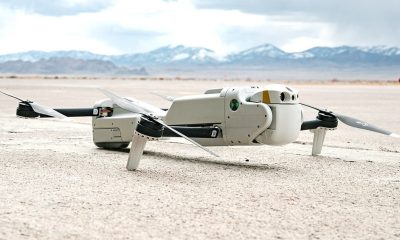
While DJI dominates global drone sales, Skydio has carved out its own unique role by pushing the limits of autonomy and artificial intelligence. Based in the United States, Skydio has become a symbol of innovation and self-reliance, especially in public safety, defense, and infrastructure inspections. But what if Skydio didn’t exist? Considering this question reveals just how vital their advancements have been in shaping modern drone operations.
Skydio’s Origins and Early Vision for Autonomy
Founded in 2014 by MIT engineers, Skydio emerged with a mission to develop drones that could think for themselves. While most manufacturers focused on stability and imaging, Skydio set out to perfect computer vision and AI-based flight autonomy. The release of the Skydio R1 in 2018 marked the first major consumer drone that could independently navigate complex environments.
By the time the Skydio 2 and Skydio X2 arrived, the company had already differentiated itself as a leader in autonomy-first drones. Unlike its rivals, Skydio didn’t try to compete with DJI on price or portability — instead, it leaned into AI and autonomy as the future of the drone industry.
Market Position and Industry Influence Without Skydio

Skydio’s market share is far smaller than DJI’s, but its influence is outsized. It has positioned itself as the United States’ flagship drone manufacturer, especially as regulators and government agencies seek alternatives to Chinese-made systems. Skydio has secured contracts with the U.S. Department of Defense, law enforcement agencies, and infrastructure companies.
Without Skydio, the U.S. drone landscape would look very different. The absence of a domestic, autonomy-first manufacturer would have left public agencies more dependent on foreign-made drones and slowed the growth of AI-driven flight capabilities.

Technology and Innovation: What AI Features Would Be Missing Without Skydio?
Skydio’s focus on autonomy has set it apart. Its drones use advanced computer vision to map their surroundings in real time, enabling them to fly independently in cluttered environments where GPS alone is unreliable. This innovation has made drones safer and more practical in urban settings, dense forests, and critical infrastructure sites.
Without Skydio, the industry might still be years behind in:
AI-driven Obstacle Avoidance: Fully autonomous flight through complex terrain.
Automated Inspections: Drones that can scan bridges, towers, and buildings with minimal pilot input.
Operational Efficiency: Reduced reliance on human operators, lowering training barriers.
Other manufacturers may have eventually advanced autonomy, but none pushed the field forward as aggressively as Skydio.
Regulatory and Policy Influence Without Skydio’s U.S. Presence
Skydio’s presence has carried weight in regulatory discussions, particularly in the U.S. Its domestic production aligns with government calls for supply chain security and reduced reliance on Chinese manufacturers. Skydio’s partnerships with the U.S. military and law enforcement have also helped shape procurement policies favoring AI-enabled drones.
Without Skydio, the U.S. might still be searching for a reliable domestic alternative to DJI, potentially stalling programs that encourage the adoption of drones in public safety and defense.
Sectors and Applications That Would Look Different Without Skydio

Public Safety
Police and fire departments rely on Skydio drones for their ability to navigate tight urban areas and deliver real-time situational awareness without skilled pilots. Without Skydio, many agencies would either face higher training costs or remain dependent on DJI drones, raising security and procurement concerns.
Defense and Security
The U.S. Department of Defense has leaned on Skydio as a trusted domestic supplier. Without them, defense operations would rely more heavily on foreign drones or on startups still developing scalable solutions, delaying deployment of AI-driven systems on the battlefield.
Infrastructure Inspections
From bridges to railways, Skydio drones have streamlined inspections by flying autonomously in GPS-denied environments. Without Skydio, companies might still depend on manned inspections or less capable drones, raising costs and risks.
Consumer Autonomy
While not as dominant in consumer markets, Skydio has influenced how hobbyists view autonomy. Its drones introduced the idea that users could capture cinematic shots without mastering flight controls. Without Skydio, consumer drones might still be focused mainly on manual piloting.
If Skydio Disappeared — The Gaps Left Behind
Autonomy Innovation
Without Skydio, drone autonomy would progress more slowly. AI-driven features would remain experimental rather than mainstream, leaving most drones reliant on manual controls.
Public Safety Operations
Emergency responders would lose access to affordable, autonomous drones capable of flying in dangerous or obstructed environments. This could delay lifesaving missions or increase reliance on DJI.
AI-Driven Inspection
Infrastructure companies would face higher costs and longer timelines for inspections. Manual piloting would still dominate, with fewer tools available for automated mapping in GPS-denied areas.
Innovation Pace
The competitive push that Skydio brings to the industry would be missing. DJI might face less pressure to improve its autonomy features, and other U.S. startups would take longer to mature.
Industry Resilience and Adaptation Without Skydio
DJI
If Skydio disappeared, DJI would continue to dominate the global drone market virtually unchallenged. However, the pace of autonomy innovation might slow. Skydio has pushed DJI to improve obstacle avoidance, intelligent tracking, and AI-driven navigation. Without that competitive pressure, DJI could focus more heavily on incremental hardware upgrades rather than breakthroughs in autonomy. This would reinforce DJI’s position as the leader in imaging and consumer drones but leave the industry with fewer options for advanced AI capabilities.
Autel Robotics
Autel Robotics would be in a position to capture more of the U.S. market in Skydio’s absence. Its EVO series already competes in the consumer and prosumer space, and the company has made inroads in enterprise applications. However, Autel’s focus has not been on autonomy-first solutions. Without Skydio as a rival, Autel might not feel the push to advance AI-driven features, choosing instead to refine portability, imaging quality, and value. While this could help them gain market share, it would not fill the innovation gap Skydio leaves behind.
Parrot
Parrot, once a consumer drone contender, has pivoted strongly toward defense and professional markets. In a world without Skydio, Parrot could expand further into defense and public sector roles, particularly within Europe where governments already support domestic manufacturers. However, Parrot’s solutions lack the same AI-first design philosophy that makes Skydio unique. Their drones are reliable and well-positioned for secure operations, but they would not replace the level of autonomy Skydio pioneered. Instead, they might carve out a stronger niche in secure, government-backed operations rather than pushing the industry’s technological boundaries.
Regional Defense Players
The absence of Skydio would also create space for other U.S. and European startups focused on defense and security. Companies working on AI-enabled platforms could eventually fill the gap, but scaling production, securing government contracts, and building brand trust would take years. This lag would leave a temporary vacuum in domestic innovation, creating reliance on either DJI or smaller firms not yet ready to scale globally. Over time, competition would diversify, but the short-term effect would be slower adoption of autonomy across critical sectors.
Uneven Transition
While the drone industry would adapt, the adjustment would be uneven. Consumer markets might not notice the absence of Skydio immediately, since DJI already dominates that segment. However, public safety agencies, defense operations, and infrastructure companies that rely on Skydio’s autonomy would experience setbacks. The long-term outlook would eventually stabilize as other manufacturers step up, but the immediate effect would be a noticeable slowdown in AI-driven progress.
Case Studies: Real-World Operations That Would Struggle Without Skydio
Law Enforcement
Police departments across the U.S. have adopted Skydio drones for urban surveillance and tactical operations. These drones excel in navigating tight alleys, dense neighborhoods, or wooded areas where GPS signals can be unreliable. Without Skydio’s autonomous navigation, law enforcement would need either highly trained pilots or more expensive aerial assets to achieve similar results. The absence of these tools would slow response times and reduce the ability to gather situational awareness in complex environments.
Fire and Rescue
Firefighters often deploy Skydio drones in dangerous scenarios, such as collapsed buildings or wildfire zones, where human access is limited. The drones’ ability to fly independently through smoke-filled or cluttered spaces provides invaluable data on structural integrity and fire spread. Without Skydio, rescue operations would depend more heavily on manual piloting, increasing risks for responders and slowing life-saving assessments during emergencies.
Military Contracts
Skydio’s role as a trusted U.S.-based manufacturer has made it an important supplier for defense applications. The U.S. military has adopted Skydio drones for reconnaissance, situational awareness, and battlefield mapping in contested environments. Without Skydio, these programs would either be delayed while waiting for smaller domestic startups to scale or be forced to rely on foreign drones, raising security and supply chain concerns. The absence of Skydio would directly impact national defense readiness.
Utility Inspections
Skydio drones have become indispensable for inspecting high-voltage power lines, bridges, and telecom towers. Their autonomy allows them to fly close to structures in GPS-denied areas, capturing detailed imagery while reducing risks to human inspectors. Without Skydio, companies would revert to slower and riskier methods, such as manual climbing or expensive helicopter surveys. This would increase operational costs, delay maintenance, and put workers back in hazardous conditions.
Transportation and Infrastructure
Departments of transportation and infrastructure companies increasingly depend on Skydio for bridge inspections and railway monitoring. Their ability to autonomously navigate under bridges or along tracks helps detect structural weaknesses before they become critical. Without Skydio, these inspections would take longer, cost more, and often require shutting down infrastructure for manual surveys, disrupting operations and public services.
Risks and Challenges Without Skydio
Without Skydio, the drone industry would face:
Reduced Autonomy Innovation: AI-driven drones would remain rare.
Dependence on Foreign Drones: U.S. agencies would rely more heavily on DJI.
Slower Policy Progress: Domestic procurement policies would lack a leading U.S. manufacturer.
Delayed Industry Evolution: Manual piloting would dominate longer, delaying mainstream autonomy.
Future Outlook Without Skydio’s AI Leadership
If Skydio were removed from the industry, the long-term trajectory of drone autonomy would change significantly. The pace of AI-driven innovation would slow, with drones remaining more reliant on manual piloting and semi-automated systems rather than evolving into fully autonomous assistants. This shift would create ripple effects across sectors. Public safety and defense agencies would lose a trusted U.S. manufacturer, leaving them more dependent on foreign drones or on smaller domestic startups that are not yet able to scale. Infrastructure companies would face higher costs and longer project timelines as autonomous inspections became less accessible, limiting the efficiency and safety gains that Skydio currently provides.
The broader industry would also experience an innovation vacuum. Skydio has acted as a benchmark for autonomy-first design, and its presence has pushed competitors to enhance their own intelligent flight systems. Without that pressure, DJI and other manufacturers might prioritize hardware refinements and imaging quality over breakthroughs in autonomy, leaving the market less dynamic. Over time, new players would inevitably emerge, and global demand for autonomy would continue to drive investment. However, the timeline for reaching a mature, AI-powered drone ecosystem would be delayed, forcing industries and governments to wait longer for the benefits of truly autonomous operations.
Why Skydio’s Presence Still Matters
Skydio has positioned itself as more than just another drone manufacturer. By centering its mission on autonomy and AI, it has reshaped how drones are viewed in public safety, defense, and infrastructure. Its role as a U.S.-based alternative to DJI also strengthens domestic supply chains and addresses geopolitical concerns.
Conclusion: What the Drone Industry Would Lose Without Skydio
Imagining the drone industry without Skydio highlights just how important its role has become. Without its leadership in autonomy, drones would still be seen as manual tools rather than intelligent assistants. Public safety, defense, and inspection workflows would be less efficient, and global innovation might lag behind where it is today. Skydio may not dominate in market share, but its influence on the future of autonomy makes it one of the most critical players in the drone industry.