

Drone Regulations
250g Drones in the U.S. (2026)


Flying 250g Drones in the U.S. has rapidly become a staple in both recreational and professional settings, offering unique aerial perspectives and versatile applications. Among the various types, 250g drones have gained particular popularity in the United States, especially for their balance between portability and functionality. These lightweight drones are not only easy to carry and operate but also come with regulatory benefits that make them ideal for beginners and experienced pilots alike.
Despite their small size, 250g drones are equipped with advanced features, allowing users to capture high-quality images, perform agile maneuvers, and conduct various missions without the bulk of heavier devices. Whether you’re a hobbyist or a professional, understanding the specific regulations and best practices for flying 250g drones in the U.S. is crucial to making the most of these compact aerial tools.
Article Guide
- Trending Models
- Why Fly a 250g Drone?
- Regulations
- Where You Can Fly 250g Drones
- Legal and Safety Guidelines
Flying 250g Drones in the U.S.
As drone technology continues to advance, the 250g drone class has become an increasingly popular choice among both new and seasoned pilots in the United States. This section provides a balanced perspective on the pros and cons of this particular drone category, helping you determine whether these lightweight models are the best fit for your needs—or when they might come up short.
Pros and Cons
- Ease of Use: Drones under 250 grams are typically more compact and lightweight, making them exceptionally user-friendly. Their small size allows for easy transport and quick setup, which is perfect for spontaneous flights or capturing moments on the go. These drones are ideal for beginners who are just starting their journey in aerial photography or recreational flying.
- Reduced Regulatory Burden: In the United States, 250g drones benefit from a lighter regulatory touch compared to their heavier counterparts. Drones in this weight category generally do not require FAA registration for recreational use, significantly lowering the barrier to entry. This reduced regulatory burden allows users to fly with greater flexibility, especially in less restricted airspaces, and without the need for complex paperwork or licensing.
- Safety: The lightweight nature of 250g drones contributes to enhanced safety. Their small size and reduced mass mean they pose less risk of injury or damage in the event of an accident. This makes them a safer option for flying in more populated areas or when operating around people and property.
- Limited Capabilities: While their compact design makes them convenient, these drones often lack some of the advanced features found in heavier models, such as higher-end camera systems, longer flight durations, and greater stability in windy conditions. This can be a drawback for users looking for more professional-grade performance.
- Fragility: The same factors that make 250g drones easy to carry and operate can also make them more susceptible to damage. These lightweight drones may not withstand rough handling or adverse weather conditions as well as their heavier counterparts, making them more prone to wear and tear over time.
- Limited Battery Life: Due to their smaller size, 250g drones often come equipped with smaller batteries, resulting in shorter flight times. This limitation can be a challenge for users who need extended flying sessions or want to capture more footage in a single outing, requiring more frequent battery changes or recharges.
250g Drones in the U.S. – 3 Trending Models
As the popularity of 250g drones continues to soar, several models stand out for their innovative features, portability, and overall performance. Here are three trending models in the 250g drone class that are making waves among both hobbyists and professionals.
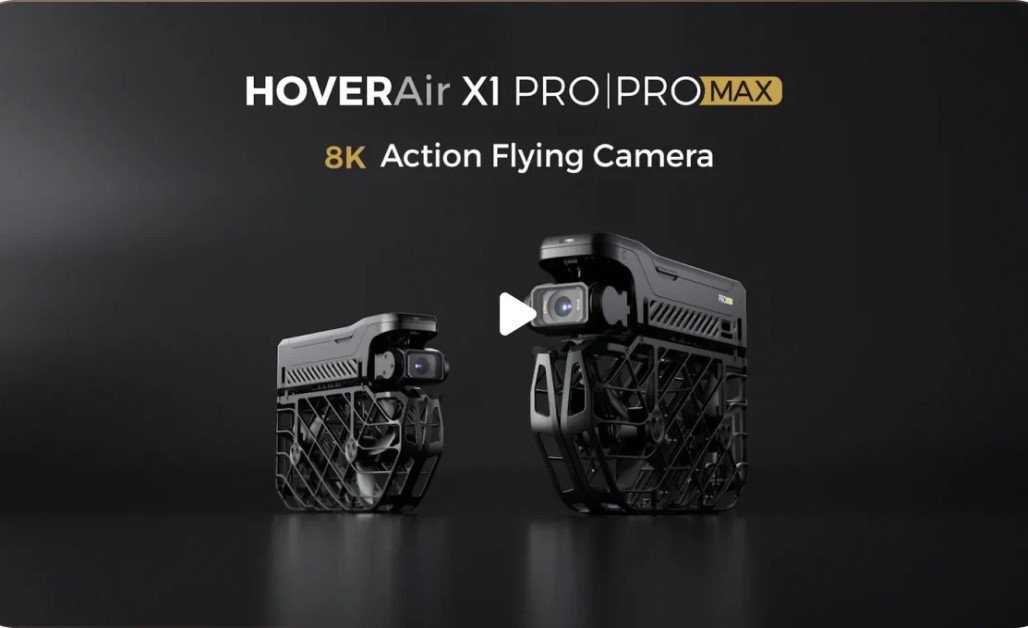
Hoverair X1 Pro:
Autel EVO Nano+:
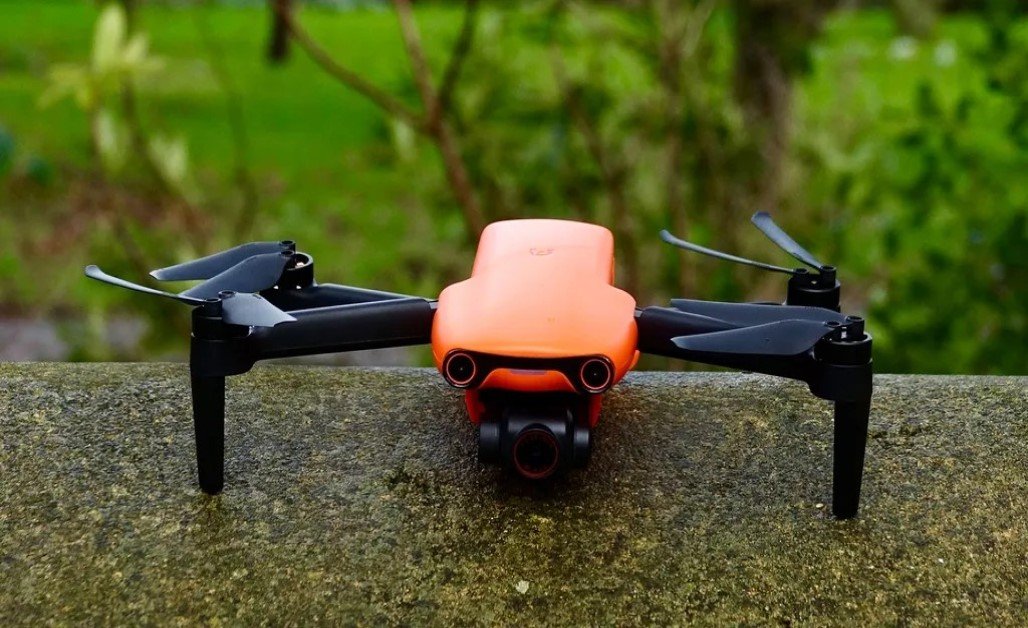
The Autel EVO Nano+ is another standout model in the sub-250g category, known for its robust performance and high-quality camera capabilities. Featuring a 50MP camera with a 1/1.28-inch CMOS sensor, the Nano+ delivers exceptional image clarity and vibrant colors, even in low-light conditions. This drone also offers 4K HDR video recording, providing enhanced dynamic range for capturing rich details in both shadows and highlights. The EVO Nano+ comes with an impressive 30-minute flight time and advanced AI-powered features like SkyPortrait and Dynamic Track, making it a versatile option for both recreational users and professionals on the go.
FIMI X8 Mini:

The FIMI X8 Mini is a compact yet powerful drone that has quickly gained popularity for its affordability and solid performance. Weighing just under 250 grams, the X8 Mini features a 12MP camera capable of recording 4K video at 30fps, ensuring high-quality footage without breaking the bank. Its foldable design makes it highly portable, while the 31-minute flight time allows for extended flying sessions. The FIMI X8 Mini also includes features like GPS-based precision hovering, multiple intelligent flight modes, and a reliable transmission range of up to 8km, making it an excellent choice for budget-conscious pilots who don’t want to compromise on quality.
Why Fly 250g Drones in the U.S.?
Flying a 250g drone offers several compelling advantages, making it an attractive option for a wide range of users. One of the primary reasons to choose a drone in this weight class is the ease of use it provides. These drones are designed to be compact and lightweight, which not only makes them highly portable but also simplifies the setup process. Whether you’re heading out for a spontaneous flight or need a quick setup for capturing the perfect shot, a 250g drone is convenient to carry and operate.
Another significant advantage of 250g drones is the reduced regulatory burden. In the United States, drones under 250 grams generally enjoy more lenient regulations, particularly for recreational use. This means that users can often fly without the need to register their drone with the FAA, and they typically don’t require a pilot certificate. This lowers the barrier to entry, allowing beginners to start flying with fewer administrative hurdles and more freedom to enjoy the experience.
Safety is another key factor that makes 250g drones appealing. Their lighter weight reduces the potential for damage or injury in the event of an accident, making them a safer choice for flying in populated areas or near sensitive environments. This makes them ideal for hobbyists who want to explore their local surroundings without the added concerns that come with larger, heavier drones.
However, it’s not just about convenience and safety. 250g drones are also a great choice for travelers and outdoor enthusiasts. Their small size means they can easily fit into a backpack or travel bag, making them perfect for adventures where every ounce of weight matters. Despite their compactness, many 250g drones are equipped with impressive features such as high-quality cameras and intelligent flight modes, offering a robust flying experience without the bulk.
U.S. Regulations for 250g Drones
Understanding the regulatory landscape for 250g drones in the United States is crucial for anyone looking to operate within the law while enjoying the freedom that this drone class offers. One of the most significant benefits of flying a drone under 250 grams is the reduced regulatory burden imposed by the Federal Aviation Administration (FAA). Unlike heavier drones, 250g models often do not require registration with the FAA for recreational use. This exemption is a major advantage, allowing pilots to skip the registration process and get into the air more quickly and easily.
However, while 250g drones are exempt from certain requirements, they are still subject to important rules designed to ensure safety and privacy. For instance, all drone operators, regardless of the drone’s weight, must adhere to the FAA’s guidelines on where and how drones can be flown. This includes avoiding flight over people, respecting no-fly zones, such as around airports and national parks, and adhering to altitude limits that restrict drones from flying higher than 400 feet above ground level.
Additionally, although registration may not be required for recreational flying, if you intend to use your 250g drone for commercial purposes, different rules apply. Commercial use of drones—regardless of their weight—requires adherence to Part 107 of the FAA’s regulations. This includes passing the FAA’s Part 107 exam to obtain a Remote Pilot Certificate, which is necessary for legal commercial operations.
Another important consideration is airspace restrictions. While 250g drones offer more flexibility in some areas, pilots must still be aware of the different classes of airspace and obtain authorization to fly in controlled airspace, typically found near airports. The FAA provides tools like the LAANC (Low Altitude Authorization and Notification Capability) system to help pilots request and receive authorization for these areas.
Overview of FAA Rules for Drones Under 250g
The Federal Aviation Administration (FAA) categorizes drones based on their weight and intended use. Drones under 250 grams are generally considered less risky, but operators must still follow key operational guidelines to ensure safe and legal flying:
- No Registration Required: Unlike drones that weigh more than 250 grams, those under this threshold do not need to be registered with the FAA for recreational use. This simplifies the process for hobbyists, making it easier to start flying without the administrative steps required for heavier drones.
- No Pilot Certificate Needed: Operators of drones under 250 grams for recreational purposes are not required to obtain a Remote Pilot Certificate. However, the FAA strongly encourages all drone pilots to familiarize themselves with the basic safety guidelines and regulations to ensure responsible flying.
Conditions and Limitations for Operating Drones Under 250g
While drones under 250 grams benefit from more relaxed regulations, there are still important rules and limitations to be aware of:
- Flying Locations: Drones under 250 grams should not be flown in restricted areas, including near airports, military installations, or emergency response zones. Pilots must stay vigilant about their surroundings and avoid flying in designated no-fly zones to ensure compliance with FAA regulations.
- Privacy and Security: Drone operators must respect the privacy of individuals while flying. It is important to avoid flying over private properties or capturing images or video without obtaining permission from those affected.
- Altitude and Distance: Although the FAA does not impose specific altitude limits for drones under 250 grams, it is advisable to fly below 400 feet (122 meters) to avoid conflicts with other aircraft. Additionally, maintaining the drone within the operator’s line of sight at all times is crucial for safe operation.
- Avoiding Interference: Operators should ensure that their drone flights do not interfere with other drones or manned aircraft. Avoiding interference is essential to maintain safety in shared airspace and to prevent accidents.
Important Links and Resources
For drone operators seeking more detailed information or clarification on specific rules, the FAA provides extensive resources online. Here are some useful links:
- FAA Drone Zone: This official FAA page offers comprehensive information on drone regulations, including guidelines specific to drones under 250 grams.
- B4UFLY App: The FAA’s B4UFLY app provides an interactive map that helps drone operators identify safe flying locations, highlighting no-fly zones and areas with specific restrictions.
- FAA Part 107 Regulations: For those interested in using their 250g drone for commercial purposes, this resource covers the requirements for obtaining a Remote Pilot Certificate under Part 107.
Where You Can Fly Drones Under 250g
Flying drones under 250 grams in the United States offers greater flexibility compared to heavier drones, but pilots must still be aware of various restrictions imposed by federal, state, and local laws. This section outlines the key locations where you can legally fly these drones and the specific restrictions that apply.
Federal Laws
At the federal level, the Federal Aviation Administration (FAA) sets the rules that apply to all drones, including those under 250g. Important guidelines include:
Proximity to Airports and Heliports: Drones must not be flown within 5 miles of airports or 1 mile of heliports without prior FAA authorization. This is to avoid interference with manned aircraft and ensure airspace safety.
Emergency Operations and Gatherings: Pilots should avoid flying drones near areas of emergency response, such as wildfires, or over large public gatherings like concerts and sporting events, where drones could pose a safety risk.
National Parks: Drones are not permitted in national parks without special permission from the National Park Service, as they can disrupt wildlife and the experience of other visitors. Operators should respect these protected areas and adhere to park-specific regulations.
Weather Conditions
Weather plays a significant role in the performance of drones, particularly for lighter models such as those under 250 grams. Here are key weather-related considerations:
Wind: Drones under 250 grams tend to be less stable in windy conditions. It is advisable not to fly in winds exceeding 15 mph (24 km/h). Always check the weather forecast and local wind conditions before a flight.
Rain and Snow: Avoid flying in precipitation, as water can damage the drone’s electronic components and impair the camera’s visibility, leading to potential accidents.
Temperature: Extreme temperatures can impact battery performance and flight stability. It is best to operate your drone in temperatures ranging from 32°F to 104°F (0°C to 40°C) to ensure optimal performance.
Time of Day
The FAA also imposes specific restrictions on the times when drones can be flown. Here’s what you need to know:
Daylight Hours: Drones should generally be flown during daylight hours and in clear weather to maintain visual line of sight. This is crucial for spotting other air traffic, obstacles, or potential hazards.
Twilight Flying: If your drone is equipped with the required lighting, you are permitted to fly during civil twilight (30 minutes before sunrise and 30 minutes after sunset). The lights must be visible for at least three statute miles and clearly distinguishable by other airspace users.
| Condition Type | Restrictions and Recommendations |
|---|---|
| Wind | Avoid flying in winds stronger than 15 mph (24 km/h). |
| Precipitation | Do not fly in rain or snow to prevent damage and accidents. |
| Temperature | Optimal flying in 32°F to 104°F (0°C to 40°C). |
| Daylight | Fly during daylight hours to maintain visual line of sight. |
| Civil Twilight | Flying permitted with proper lighting on the drone. |
State and Local Laws
State and local regulations can vary significantly, so it is essential to check the specific rules in your area. Common restrictions include:
Parks and Recreational Areas: Some cities and states prohibit the use of drones in parks or near recreational facilities. Always check local signage or government websites for drone-related ordinances.
Privacy Laws: Be aware of local privacy laws that may restrict flying drones over private properties or capturing images of individuals without their consent.
Location Restrictions for Drones Under 250g
| Location Type | Federal Restrictions | State/Local Restrictions |
|---|---|---|
| Airports and Heliports | No flying within 5 miles of airports or 1 mile of heliports without FAA authorization. | Varies; check state/local regulations. |
| Emergency Operations | No flying near or over ongoing emergency operations. | Varies; additional local rules may apply. |
| Public Gatherings | Avoid flying over large gatherings such as concerts. | Specific state/local by-laws may impose further restrictions. |
| National Parks | Generally not allowed without permission from the National Park Service. | N/A |
| Parks and Recreational Areas | No federal restriction unless specified. | Many cities/towns have specific drone use policies. |
| Residential Areas | No specific federal restriction on altitude and distance. | Privacy laws must be respected. |
State-Specific Key Restrictions and Rules
| State | Key Restrictions and Rules |
|---|---|
| California | Strict privacy laws; drone operators must avoid recording in areas where there is an expectation of privacy without consent. |
| New York | Drones are generally prohibited from flying over state parks without prior authorization; additional restrictions apply in densely populated urban areas. |
| Florida | Some cities restrict drone use near beaches and tourist areas, especially during peak seasons. |
| Texas | Local ordinances may restrict drone use in certain public spaces; flying over critical infrastructure is prohibited without permission. |
| Washington | Drones are not allowed in state parks without a special permit; additional restrictions may apply in protected natural areas. |
| Colorado | Restrictions on drone flights over wildlife areas to protect animals from disturbance, especially during sensitive times of the year. |
Legal and Safety Guidelines for Operating Drones Under 250g in the United States
Operating drones under 250 grams in the United States involves specific legal and safety guidelines aimed at ensuring responsible use while minimizing the regulatory burden on pilots. Below, we outline the key rules and best practices that operators of these lightweight drones must follow according to FAA regulations.
Recommended Safety Gear
- Safety Vest: Wearing a high-visibility safety vest helps increase your visibility to others, particularly in crowded or shared spaces. This simple precaution can prevent accidents and ensure that others are aware of the drone operation.
- Pylons: Setting up pylons to mark your operating area can alert passersby to the presence of a drone, helping to create a safe perimeter around your landing and take-off zones.
- Landing Pad: A portable landing pad provides a safe, flat surface for take-off and landing, protecting your drone from debris and uneven ground that could cause damage.
- Radio Communications: Carrying a two-way radio can be useful for communication with nearby drone operators or other relevant parties, especially in areas where multiple drones are in use or where coordination is necessary.
Best Practices for Drone Operation
- Maintain Line of Sight: Always keep your drone within your visual line of sight (VLOS). This is essential for monitoring the drone’s flight path and immediate airspace to avoid collisions with other objects or aircraft.
- Respect Privacy: Be mindful of privacy concerns when flying your drone. Avoid flying over private properties or capturing images or videos of people without their consent. This not only respects others’ privacy but also helps avoid legal issues.
- Pre-Flight Checklist: Before each flight, conduct a thorough pre-flight inspection to ensure your drone is in good working condition. Check battery levels, propellers, and camera equipment to avoid mid-flight issues.
- Educate Yourself: While not mandatory for drones under 250g, educating yourself on drone operation through online resources or local flight schools can provide valuable insights and help you become a more skilled and responsible pilot.
Legal Requirements for Drones Under 250g
- Drone Pilot Certificate and Registration: Drones under 250 grams do not require FAA registration or a Remote Pilot Certificate for recreational use. This makes it easier for hobbyists to start flying without going through complex administrative processes. However, operators should still be familiar with basic safety and operational guidelines to ensure compliance.
Compliance with General Laws
- Respect for Privacy and Safety: Although lighter regulations apply to drones under 250g, operators must still adhere to all other relevant laws, including:
- Privacy: Avoid flying over private properties or recording individuals without their consent, as this could lead to privacy violations.
- Safety: Ensure that your drone operations do not endanger people or other aircraft. Adhere to FAA guidelines on safe flying practices to minimize risks.
- Criminal Code and Other Laws: Operators should be aware of relevant U.S. laws, including those pertaining to air safety, public privacy, and state or local trespassing laws, which may impact drone operations.
Safe Operation Guidelines Specific to Drones Under 250g
- Visual Line of Sight (VLOS): Always keep your drone within your line of sight without using visual aids like binoculars. This ensures that you maintain control over the drone and are aware of its environment.
- Avoidance of Restricted Areas:
- Emergency Operations and Public Gatherings: Do not fly near or over areas where emergency operations are underway or over large public gatherings, such as festivals or sporting events. Even though lighter drones have fewer restrictions, exercising caution is crucial in these scenarios.
- Proximity to Airports and Heliports: While drones under 250g may have more lenient distance restrictions, prudence is advised when flying near airports and heliports. Always ensure you are not interfering with manned aircraft operations.
Penalties for Non-Compliance
While drones under 250g are exempt from some of the stricter regulations, failure to follow general safety and privacy laws can still result in investigations by the FAA or local authorities. Penalties may include fines or other legal actions, depending on the severity of the violation.
Pre-Flight and Flight Guidelines
- Pre-Flight Checklist: Even though there are fewer regulatory requirements, performing a pre-flight check is always a good practice. Ensuring your drone is in good working condition helps prevent accidents.
- Survey the Area: Before takeoff, check the area for potential hazards like buildings, power lines, and populated areas. Avoid flying in areas where there may be obstacles or where people are gathered.
- Night Flights: Flying at night is allowed if your drone is equipped with appropriate lighting. However, maintaining VLOS is essential to ensure safety during nighttime operations.
Key Terms to Understand
- Drone and UAS: The term “drone” is commonly used to refer to any type of Unmanned Aircraft System (UAS), which includes a wide range of aircraft from small hobbyist models to larger commercial vehicles.
- Bystander: Refers to anyone not directly involved in the drone operation. Always ensure a safe distance is maintained to avoid accidents or disturbances.
Safety and Privacy
Emphasizing safety and privacy is critical when operating any drone, including those under 250 grams. By following these guidelines and adopting responsible practices, drone operators can significantly reduce risks, ensuring a safer environment for everyone involved while enjoying the benefits of this innovative technology.
Key Features of Drones Under 250g
- Cameras:
- Many drones in this category include high-definition cameras capable of capturing stunning aerial photographs and videos. This makes them perfect for hobbyist photographers and videographers looking to explore new perspectives.
- GPS:
- GPS functionality is increasingly common in lightweight drones, enhancing their stability and navigability. This feature allows for advanced flight modes, such as automatic return-to-home, which helps prevent loss.
- Gyro-Stabilization:
- Gyro-stabilization technology ensures smooth flight dynamics and steadier footage, which is essential for capturing quality images and videos.
- First-Person View (FPV):
- FPV capabilities are often incorporated, allowing pilots to see from the drone’s perspective via a smartphone or goggles, providing an immersive flying experience.
- Compact and Portable Design:
- The small size and light weight of these drones make them exceptionally portable, ideal for taking on trips and adventures where quick aerial shots might be desired.
Popular Uses for Lightweight Drones
- Recreational Flying:
- One of the most common uses of drones under 250 grams is for recreational flying. Enthusiasts enjoy the freedom these drones offer, allowing them to explore and capture aerial views without the hassle of extensive regulations.
- Educational Purposes:
- Schools and educational programs increasingly incorporate these drones into STEM (Science, Technology, Engineering, and Mathematics) curricula. They provide a hands-on learning experience for students in areas such as robotics, physics, and geography.
- Travel and Adventure Photography:
- Travel enthusiasts and adventurers find these drones perfect for documenting excursions without the burden of carrying heavy equipment. They can easily capture expansive landscapes or hard-to-reach places.
- Wildlife Monitoring and Environmental Assessment:
- Conservationists and environmental researchers use these lightweight drones to monitor wildlife and assess environmental conditions without disturbing the natural habitat.
- Sport and Event Filming:
- These drones are also used in sports and event filming to capture dynamic footage from angles that would be challenging to achieve through traditional means.
Official Guidelines and Legal Information
FAA – Drone Safety: Stay informed with the latest regulations and safety guidelines directly from the Federal Aviation Administration (FAA).
FAA Part 107 Regulations: For detailed legal specifics, especially for commercial drone use, consult Part 107 of the FAA regulations.
Educational Resources
Remote Pilot Certification Study Guide: Prepare for your Remote Pilot Certificate with this comprehensive study guide from the FAA.
Online Courses: Enhance your drone skills with courses available on platforms like Udemy or Coursera, covering everything from basic operation to advanced aerial photography.
Community Engagement
U.S. Drone Communities: Connect with fellow drone enthusiasts through online communities like the Drone Pilots USA forum.
Reddit Drones Community: Join discussions and share experiences on the Drones subreddit, where both hobbyists and professionals exchange tips and advice.
Tools for Better Flying
Drone Management Apps: Plan your flights with tools like AirMap or B4UFLY, which provide real-time information on weather conditions and no-fly zones.
Industry Insights
Drone Magazines and Blogs: Stay updated on the latest drone technology, industry trends, and pilot stories with resources like Rotor Drone Magazine and The Drone Girl blog.
These resources provide a well-rounded foundation for both improving your piloting skills and remaining compliant with U.S. drone regulations. Whether for recreational or educational purposes, leveraging these tools and communities can greatly enhance your drone operating experience.
Future Trends and Innovations
The world of drones is rapidly evolving, and the 250g drone category is no exception. As technology continues to advance, we can expect several exciting trends and innovations that will shape the future of lightweight drones in the United States.
Miniaturization and Enhanced Capabilities: One of the most significant trends is the continued miniaturization of technology, allowing 250g drones to pack even more advanced features into their compact frames. Future models are likely to include higher-resolution cameras, improved stabilization systems, and enhanced obstacle avoidance technology. This trend will enable these lightweight drones to perform tasks previously reserved for larger, more expensive models.
Longer Battery Life: Battery technology is another area poised for significant innovation. Researchers and manufacturers are working on new battery designs that will offer longer flight times without increasing the weight of the drone. These advancements could make 250g drones even more versatile, allowing for extended flights and more time to capture stunning aerial footage.
AI and Autonomous Flight: Artificial intelligence (AI) and machine learning are set to revolutionize the drone industry. For 250g drones, this means the potential for more advanced autonomous flight capabilities, including enhanced tracking, automated obstacle avoidance, and improved route planning. AI-driven features will make these drones easier to operate and more efficient, even in complex environments.
Integration with 5G Networks: The rollout of 5G networks across the United States will also impact the future of 250g drones. Faster, more reliable connectivity will enable real-time data transmission, improving the drone’s responsiveness and the quality of live-streamed video. This could open up new possibilities for applications such as live event coverage, remote inspections, and even search and rescue operations.
Regulatory Changes: As the popularity of 250g drones continues to grow, it’s likely that we will see changes in regulations. The FAA and other regulatory bodies may introduce new rules to address emerging technologies and their implications for airspace safety. Staying informed about these changes will be crucial for drone operators to ensure compliance and take full advantage of new opportunities.
Environmental Considerations: As sustainability becomes a more pressing concern, future 250g drones may be designed with eco-friendly materials and energy-efficient technologies. Manufacturers may explore using biodegradable components or developing drones that have a smaller carbon footprint, aligning with global efforts to reduce environmental impact.
Expanded Use Cases: As these innovations unfold, we can expect to see an expansion in the use cases for 250g drones. Beyond recreational and photography purposes, these lightweight drones could play a larger role in industries such as agriculture, logistics, and environmental monitoring. Their portability and ease of use make them ideal for tasks that require flexibility and quick deployment.
In summary, the future of 250g drones in the United States looks bright, with technological advancements set to enhance their capabilities and expand their applications. As these trends and innovations continue to develop, 250g drones will likely become even more integral to both personal and professional drone operations.
To Learn more about acronyms used in this article visit our Drones Acronym Page.


